
Back Pain Might Mean Your Spine Is Aging Early
Back pain, stiff necks, and slipped discs are often blamed on getting older. However, more and more people are experiencing these problems in their 30s and 40s. At our chiropractic centre in Kuala Lumpur, our chiropractors are seeing younger adults with spinal changes that usually appear much later in life.
Long hours at a desk, scrolling on phones, poor posture, and little spinal care can cause the spine to wear down faster than expected. In other words, the body may be young, but the spine is aging ahead of schedule.
Once you understand why this happens and what the warning signs look like, it’s possible to slow things down — and sometimes even reverse early damage.
Why Younger Adults Experience “Older” Spinal Problems
The spine is designed to move. Yet modern life encourages the opposite.
Many adults now spend 8 to 10 hours a day sitting, often with a rounded back and forward head posture. Over time, this places extra pressure on the spinal discs, the soft cushions between the vertebrae, speeding up spinal wear and tear. This can worsen the health of the spine and increase risk factors for various spinal conditions including:
Degenerative disc disease (DDD) is a condition where the spinal discs begin to break down. Traditionally seen as part of aging, disc degeneration is now frequently detected in younger adults.
Imaging studies have found that disc degeneration is present in a high proportion of asymptomatic individuals aged 15–30, with one study reporting that up to 56% of young adults showed some disc degeneration even without symptoms.
Early disc changes can reduce shock absorption and lead to chronic back discomfort, stiffness, or increased risk of further injuries. Even when people don’t feel pain initially, the structural degeneration can progress silently if posture and activity patterns remain problematic.
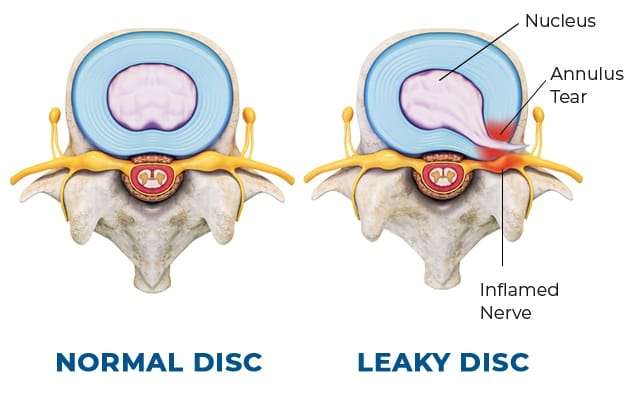
A slipped disc or herniated disc occurs when the disc’s inner material pushes through its outer layer and presses on spinal nerves, causing pain, numbness, or weakness. Research involving individuals under 25 showed clear risk factors for herniation related to poor sitting posture and prolonged daily sitting (over 6 hours).
In that study, sitting posture and long daily sitting time were among the strongest predictors of lumbar disc herniation in young people. This reinforces what chiropractors are seeing in recent years: desk jobs, study marathons, and sedentary routines put sustained load on spinal discs that can contribute to injury long before old age.
Low back pain itself is now common in younger age groups. One large cross-sectional study of more than 1,300 adults aged 18–35 found that nearly 42% reported low back pain within a year, and stress, long study hours, and lifestyle factors were associated with symptoms.
Additionally, those who have preexisting spinal issues and systemic inflammatory conditions in childhood are more likely to develop problems. This is especially true with risk factors present while they’re still in school like heavy backpacks and sedentary daily routines.
Early imaging and assessment help detect these changes before symptoms become severe.
Signs Your Spine Is Aging Faster Than You Think
Spinal aging doesn’t always start with sharp pain. Often, the signs are subtle and easy to ignore at first.
You may notice:
- A dull ache after long periods of sitting
- Stiffness in the neck or lower back, especially in the morning
- Tingling, numbness, or pain that travels into the arms or legs
- Frequent tension headaches or tight shoulders
- Reduced flexibility when bending or twisting
Many people brush these off as stress or fatigue. But when these symptoms become frequent or persistent, they can signal underlying spinal strain rather than temporary discomfort.
What X-Ray Scans Reveal About Long-Term Spinal Damage

X-rays can show significant spinal wear even when symptoms feel mild. Pain is not always a reliable indicator of damage. In many cases, structural changes have been developing quietly for years.
Spinal X-rays commonly reveal patterns linked to long-term stress rather than sudden injury. These can include:
- narrowed disc spaces, which suggest discs are losing height and hydration;
- flattening or reversal of natural spinal curves, often tied to prolonged sitting and poor posture; and
- vertebral misalignment, where certain vertebrae carry more load than they should.
Over time, the body may respond by forming early bone spurs (osteophytes) as a stabilising mechanism, an early sign of spinal arthritis.
Importantly, these findings reflect cumulative strain, not age. A spine that has been overloaded daily for 10–15 years can look decades older than expected on imaging.
Why Early Screening Matters More Than Pain Relief
One of the biggest mistakes people make is waiting until pain becomes severe.
Spinal degeneration often progresses slowly. By the time pain is constant or nerve symptoms appear, structural changes may already be advanced. At that stage, treatment becomes more complex and recovery takes longer.
Early screening focuses on prevention, not just relief. Identifying postural problems, joint restrictions, or disc stress early can help slow further damage and reduce the risk of chronic pain, nerve compression, or even surgery later in life.
This proactive approach is a key reason many people now seek chiropractic care before symptoms become debilitating.
Non-Surgical Treatment Options at Osso Bone Care
For many patients, surgery is not the first or best option. Non-surgical spinal treatment aims to reduce stress on the spine while improving movement and alignment.
At Osso, we begin with a detailed assessment and an X-ray screening to understand disc spacing, alignment, and load distribution. From there, chiropractors tailor a treatment plan based on the type, location, and severity of disc involvement.
Utilizing Osso’s very own Flexion Distraction Adjustment Technique®, our chiropractors employ a specialized method for treating herniated discs through gentle spinal stretching to alleviate pressure on the nerve and spinal disc. Repeatedly flexing the spine opens the gap of the disc to increase space between vertebrae, decrease disc pressure, increase opening for the nerves to relieve pinched nerves.
Spinal decompression therapy stretches the spine gently to create negative pressure, which helps retract herniated disc material. This negative pressure creates a suction effect that draws in disc herniation or disc bulges, effectively taking pressure off the pinched nerve.
By reducing nerve compression, improving blood flow, and aiding in the healing process of the affected disc, spinal decompression can provide relief. Chiropractors utilize specialized equipment to perform this technique, customizing the treatment to address individual conditions and symptoms effectively.
Drop Table Technique
The drop table technique in chiropractic treatment involves a specialized table segment that’s strategically raised and then swiftly dropped during adjustments. This method allows for a gentle and controlled adjustment of the spine to target herniated discs and other spinal issues effectively.
Chiropractors use the drop table to pinpoint specific areas of the spine with accuracy, aiding in the correction of spinal alignment. The controlled dropping motion requires less force, making it a comfortable option for patients experiencing disc herniation. Patients often find the drop table technique to be both comfortable and effective in reducing pain and improving spinal alignment.
When Should You Get Your Spine Checked?
You don’t need to wait for severe pain. In fact, earlier is better. A spinal assessment may be worth considering if you:
- Sit for long hours daily
- Experience recurring neck or back pain
- Feel stiff most mornings
- Have had past injuries or accidents
Protect Your Spine for the Long Term with Osso Bone Care
Spinal aging is influenced more by habits than birthdays. Early assessment, X-ray evaluation, and personalised spinal treatment can help protect long-term spinal health and keep the body moving comfortably for years to come.
If back or neck issues are becoming a regular part of life, it may be time to look beyond age and take a closer look at the spine itself. Visit Osso Bone Care and talk to our chiropractors. We can help you keep your spine healthy.