How Crossing Your Legs Can Cause Back Pain & Harm Your Spine
It seems harmless enough. You sit down, cross one leg over the other, and get comfortable. For many, it’s second nature, especially during long hours at work or lounging at home. But what if this simple habit is silently reshaping your spine and pelvis?
The truth is, habitual leg crossing can lead to long-term misalignments, muscle imbalances, and even chronic back pain. Understanding the mechanics behind this posture can help you protect your spine before problems develop.
Why People Naturally Cross Their Legs

Crossing your legs isn’t just a random choice. Often, it’s a mix of habit, comfort, and social norms. Many find it easier to sit this way while at a desk, on a sofa, or in a waiting room. Some even perceive it as “good posture,” thinking it helps them sit up straighter, while some might think that it is elegant posture to cross the legs while seated, especially to ladies that are wearing skirts. While these reasons are understandable, repeated crossing of the legs creates subtle shifts in your body that accumulate over time.
What Happens When You Cross Your Legs
When you cross one leg over the other, your pelvis tilts slightly to one side. This uneven tilt leads to a rotation or lateral curve in the lower back. The muscles around your hips and core respond by tightening or overstretching to maintain balance.
For example:
- Hip flexors and quadriceps on one side become tighter.
- Glutes and hamstrings may weaken on the opposite side.
- Spinal muscles may experience one-sided tension.
Even small shifts like these can set off a chain reaction. Over weeks and months, the body adapts to these imbalances, sometimes without noticeable discomfort until pain or stiffness develops.
Pain When Sitting with Crossed Legs
The misalignment of your pelvis and spine affects muscles, joints, and nerves in several areas:
Hip Pain
Crossing one leg over the other tilts the pelvis, placing uneven stress on your hip joint. You may notice a dull ache on the side that bears more weight or stiffness in your hip flexors. Over time, tight hip muscles can limit your range of motion and make standing or walking uncomfortable.
The compensatory rotation in the lumbar spine increases strain on spinal muscles and ligaments. This often feels like a deep, persistent ache in your lower back, sometimes accompanied by stiffness or a pulling sensation when you bend or twist.
Knee and Leg Discomfort
Uneven pressure on the knees can lead to tightness, numbness, or tingling in the crossed leg, and may exacerbate existing knee or ankle issues. Some people also experience leg fatigue or swelling after long periods of sitting this way.
Muscle Imbalances
Over time, muscles on one side of the body may tighten while the opposite side weakens, leading to asymmetry. This can create one-sided tension headaches, shoulder stiffness, or even pain that radiates down your leg.
Long-Term Consequences of Habitual Leg Crossing
Repeated leg crossing can contribute to several structural issues:
Rotated Pelvis
Sitting with one leg consistently crossed over the other creates a persistent tilt in your pelvis. This rotation forces your spine to compensate, which can lead to uneven posture, restricted mobility, and even pain when standing or walking. Over time, the pelvis may “lock” into this tilted position, making realignment more difficult.
Apparent Leg Length Discrepancy
A rotated pelvis can make one leg appear shorter than the other. Even if the actual bone lengths are equal, this asymmetry shifts your weight unevenly, increasing stress on the hip, knee, and ankle joints. This can contribute to wear-and-tear, joint stiffness, and even muscle soreness on one side of the body.
Scoliosis Progression
For individuals who already have a spinal curve, habitual asymmetry like leg crossing can exacerbate scoliosis. Unequal pressure on spinal discs and supporting muscles may accelerate curve progression, potentially increasing the risk of discomfort, nerve compression, or long-term structural changes.
Hip and Pelvic Joint Stress
Over time, one-sided pressure can also affect the sacroiliac joints and hip rotators, contributing to tightness, inflammation, or even early joint degeneration in some cases.
Altered Gait and Posture
The compensations that develop from a rotated pelvis and uneven leg length can subtly change the way you walk, stand, or sit. These postural adaptations increase the risk of muscle fatigue, misalignment, and discomfort in other areas of the body, including the shoulders and neck.
Tips to Correct Posture and Improve Spinal Alignment
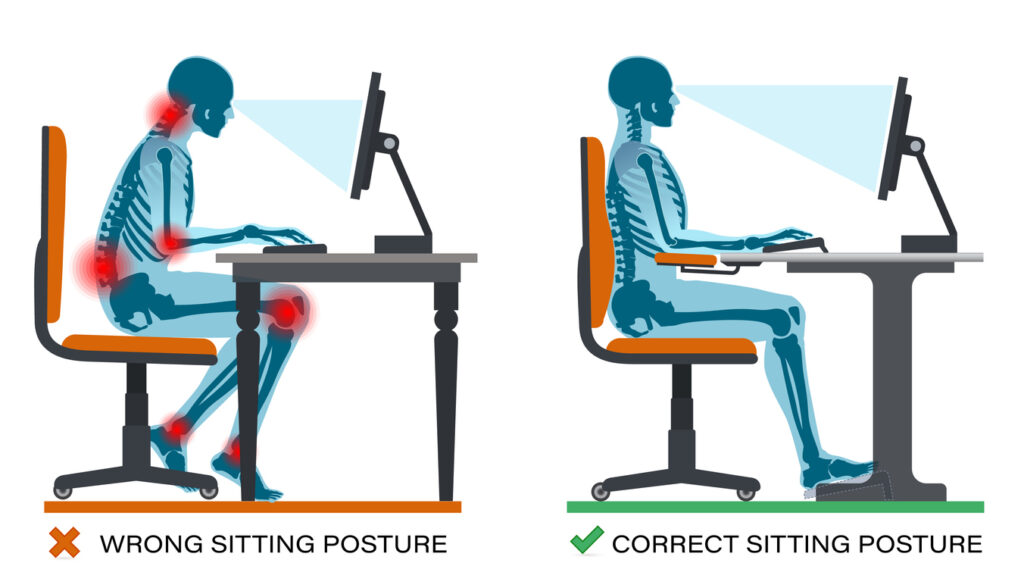
Office workers, students, and anyone spending hours at a desk are particularly at risk. Even if you exercise regularly, prolonged poor posture can undo some benefits. Small adjustments in how you sit can make a big difference:
- Keep both feet flat on the floor to maintain an even pelvis.
- Use chairs with proper lumbar support to encourage neutral spine alignment.
- Stretch tight muscles like hip flexors and hamstrings regularly.
- Strengthen core and glute muscles to support proper posture.
- Take frequent movement breaks every 30–60 minutes to reset your posture.
Implementing these habits consistently can help prevent long-term spinal damage.
How Chiropractic Care Can Help Correct Posture from Leg-Crossing
Chiropractors use precise adjustments to correct misalignments caused by prolonged uneven sitting. By gently mobilizing the vertebrae and pelvis, they help restore symmetry, relieve tension, and improve overall posture. These adjustments reduce the compensatory stress that develops from habitual leg crossing, easing discomfort in the lower back, hips, and surrounding muscles.
In addition to adjustments, chiropractors may recommend therapeutic exercises and stretching routines tailored to strengthen weak muscles and relax overactive ones. This helps correct muscle imbalances that develop from one-sided postures, promoting better stability and preventing recurrent misalignment.
Osso Bone Care utilizes digital X-rays to precisely evaluate spinal and pelvic alignment. This allows practitioners to pinpoint the areas affected by habitual postures like leg crossing and track improvements over time, ensuring that treatments are both targeted and effective.
By addressing the root cause rather than just the symptoms, chiropractic care can reduce chronic back pain, prevent progressive scoliosis, improve posture, and enhance overall spinal health. Regular care combined with mindful sitting habits can help you maintain alignment and prevent further complications from developing.
When to Seek Spinal Screening
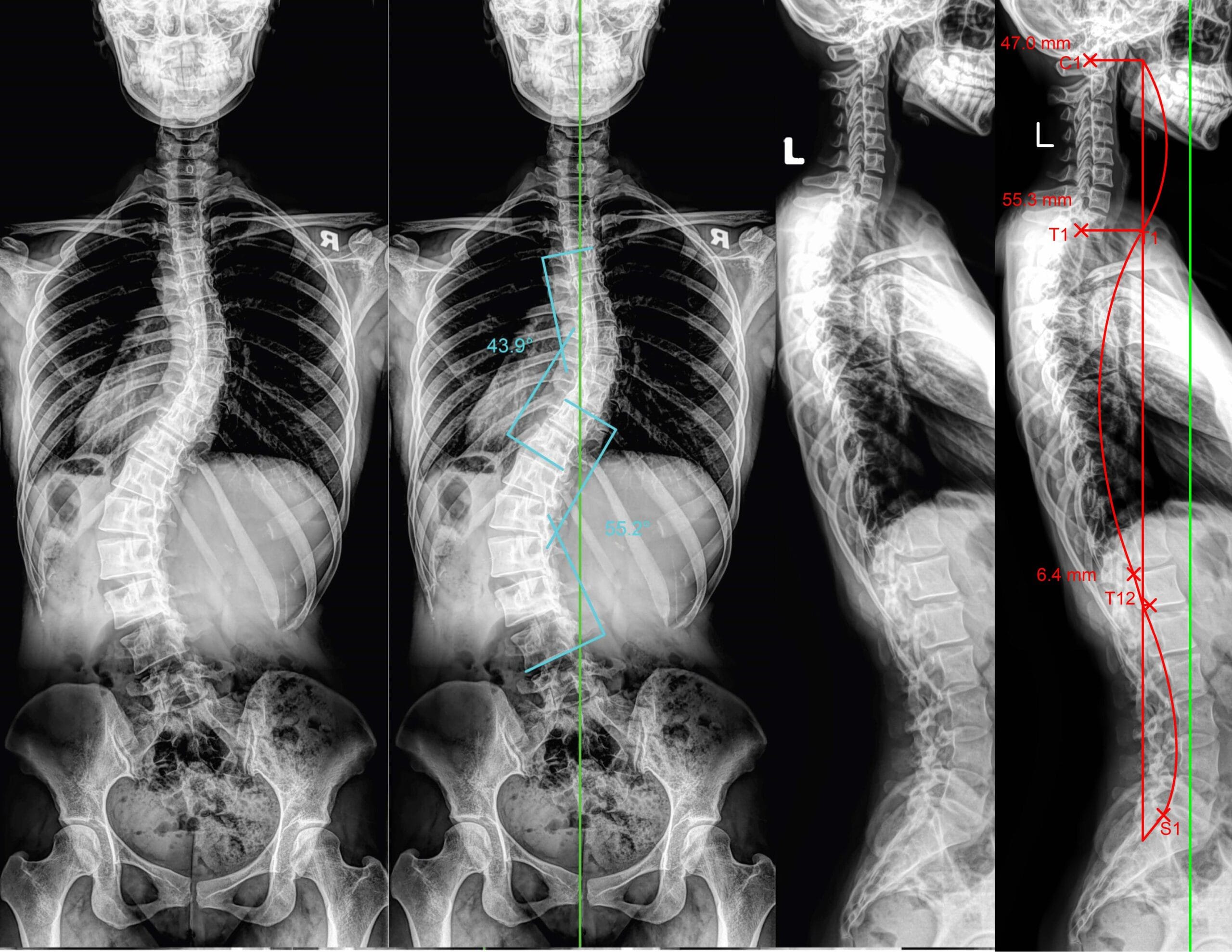
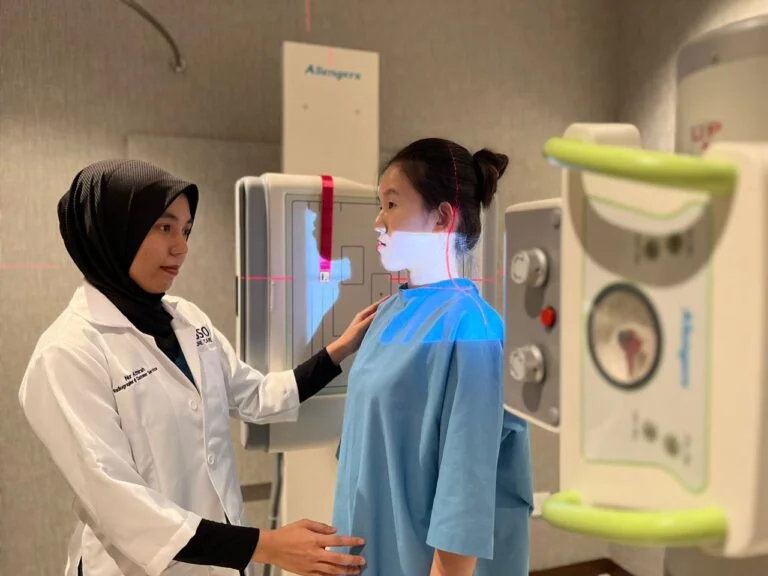
Not all damage causes immediate pain. You may have subtle asymmetries, like one shoulder slightly higher than the other or a tilted hip, without realizing it. Early detection is key: spinal and pelvic X-ray imaging can reveal misalignments, disc compression, or early signs of degeneration before serious symptoms appear.
Signs you might consider a spinal screening include:
- Persistent one-sided stiffness or discomfort in your back, hips, or legs
- Noticeable changes in posture, such as slouching or tilting when standing
- Recurrent muscle tension or cramps on only one side of the body
- Difficulty maintaining balance or uneven weight distribution when standing or walking
Even if you feel no pain, a professional spinal assessment can help prevent long-term complications and guide corrective care before symptoms escalate.
Prevent Damage to Your Spine from Leg Crossing with Osso Bone Care
Even if you feel fine, habitual poor posture may already be affecting your spine. Scheduling a spinal and pelvic X-ray at Osso Bone Care can help uncover hidden misalignments and guide corrective care. Early intervention can prevent chronic pain, reduce muscle imbalances, and help you maintain better posture for years to come.