
Guessing vs Diagnosing — Why Treating the Spine Without Seeing It Is a Dangerous Mistake
Would you treat a fracture without an X-ray?
Imagine walking into a clinic with a suspected fracture. No scans. No imaging. Just a quick look and a confident “this should help.” Most people would walk straight out.
Yet when it comes to back and neck pain, many still accept treatment without anyone actually seeing what’s happening inside the spine. In Malaysia, it’s common to seek massage, cupping, or manual therapy first. Relief may come for a day or two, which feels reassuring. But relief alone doesn’t mean the problem is solved.
The spine protects the spinal cord and carries nerves to the entire body. Treating it without proper imaging isn’t just incomplete, it can be risky. Without knowing the internal structure, care is based on assumptions rather than facts.
Why Guessing Is Especially Dangerous for the Spine

The spine is complex. Dozens of joints, discs, ligaments, and nerves work together in a tight space. Pain felt in one area may come from somewhere else entirely. That’s why symptoms alone can be misleading.
When treatment is based on guesswork, several things can go wrong. A joint that is already unstable may be manipulated. A disc injury or early scoliosis may go unnoticed. Pressure might be applied to a spinal segment where nerves are already inflamed. Over time, repeated stress on the wrong area can increase wear and tear rather than promote healing.
Without an X-ray, no one truly knows the root cause. Treatment may bring short-term relief, but the underlying problem remains and in some cases, worsens quietly in the background.
Why X-Ray Matters Before Chiropractic Treatment
An X-ray shows what hands cannot feel. It reveals spinal alignment, disc spacing, pelvic balance, curvature, and areas where nerves may be under stress. These details matter because different spinal problems require very different approaches.
Two people can describe the same pain but have completely different spinal findings. Without imaging, both may receive the same treatment even though one needs gentle stabilisation while the other requires decompression or postural correction.
Seeing the spine allows care to be precise rather than general. And precision is what keeps treatment safe.
Osso’s “Evidence First, Treatment Second” Philosophy
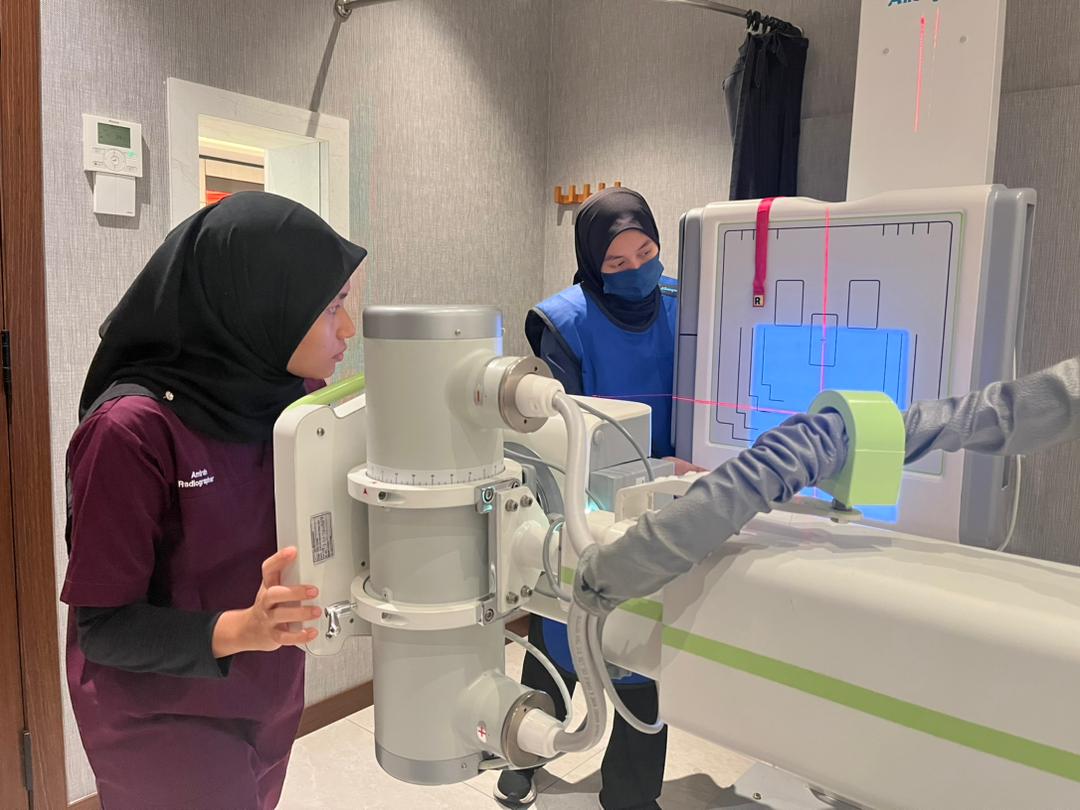
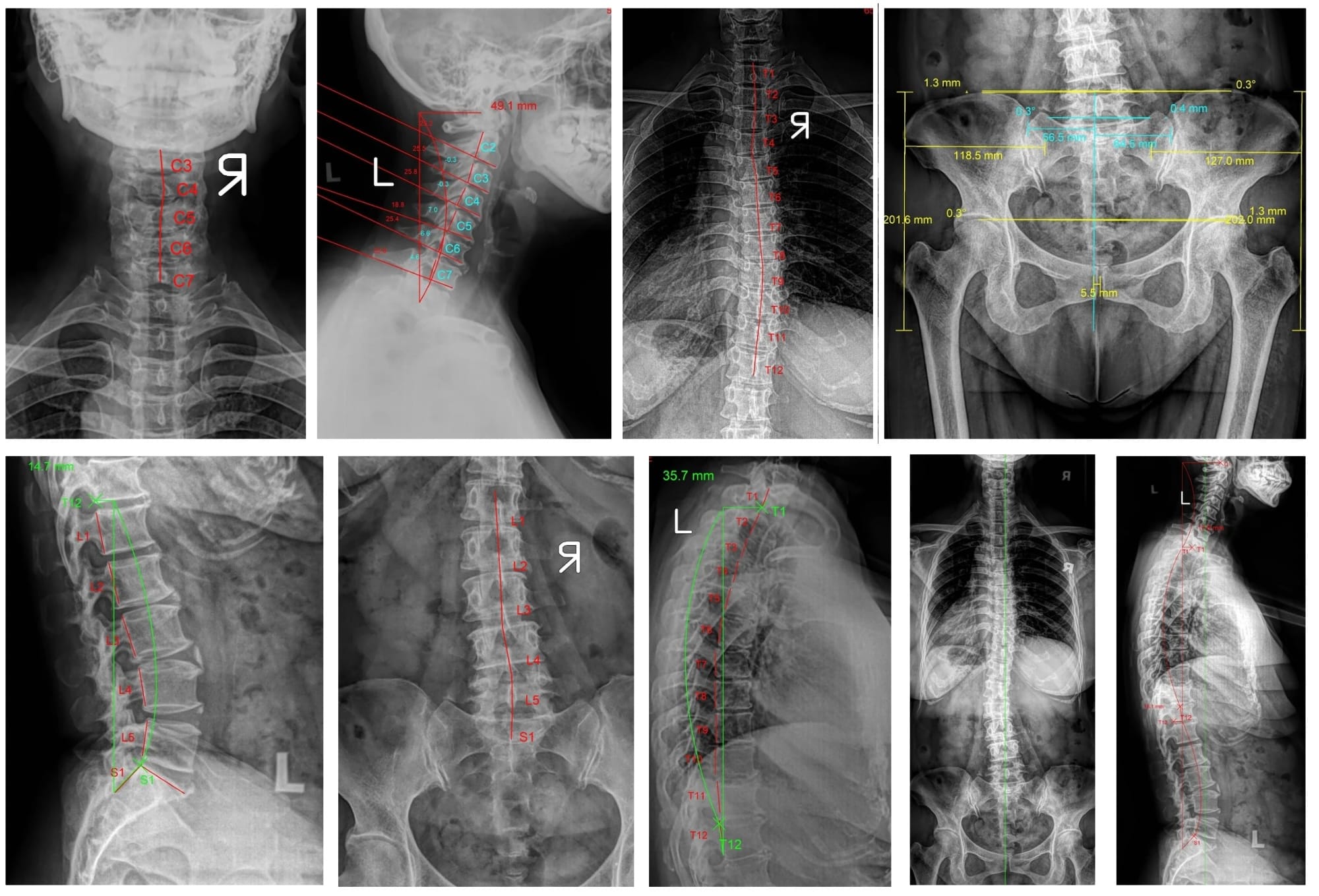

At Osso, care does not begin with assumptions. Every patient starts with a full spine and pelvic X-ray. This provides a complete picture of alignment, disc health, and postural balance. From there, exact areas of misalignment or compression are mapped clearly.
Instead of treating symptoms alone, a customised care plan is created based on what the images reveal. This means the approach is tailored to the individual spine, not a one-size-fits-all routine.
Progress is not guessed either. Follow-up comparison X-rays are used to track changes over time, allowing both practitioner and patient to see objective improvement rather than relying only on how things feel.
When Treating Without Diagnosis Becomes a Red Flag
If treatment begins immediately without imaging, or if every patient receives the same approach regardless of history, it’s worth pausing. The spine is too important to be handled on assumption alone.
Starting care without seeing the structure underneath increases the risk of treating the wrong area or missing a more serious condition that needs a different plan altogether.
Before Anyone Touches Your Spine...
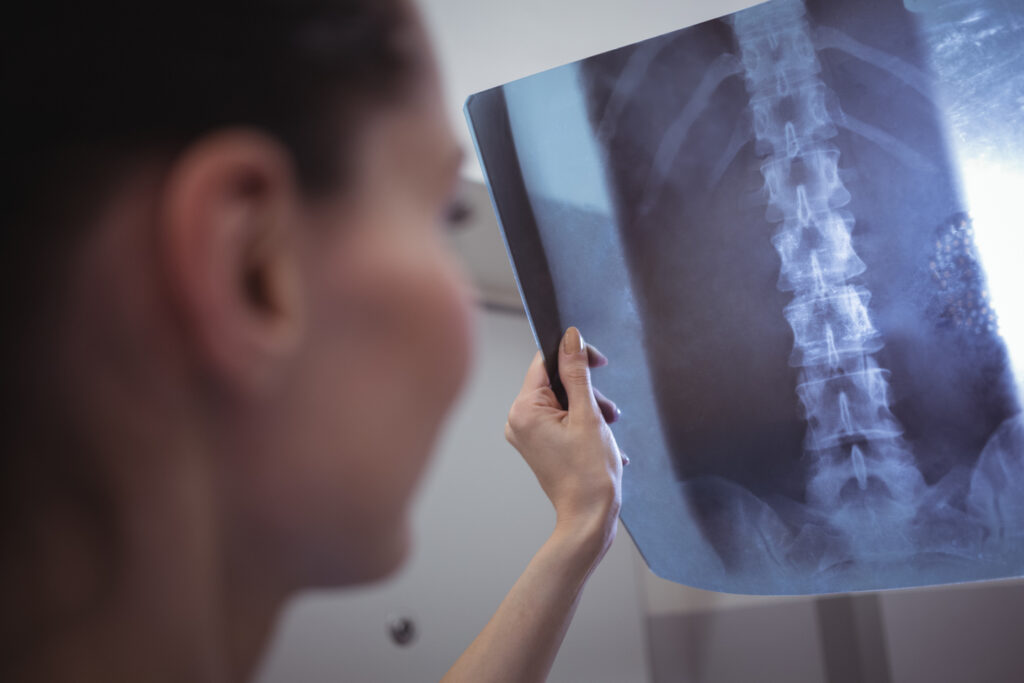
That simple question matters: Have they seen what’s really wrong?
Treating the spine without imaging is not just less effective. It carries unnecessary risk. Relief should never come at the cost of long-term damage. When it comes to your spine, diagnosing is the responsible thing to do.