
Why You Feel Numbness in Your Arm or Leg — And It’s Not Just a Muscle Problem
It often starts small. A slight pins-and-needles feeling in the arm. A foot that feels oddly “asleep.” Maybe it goes away after a few minutes, so you brush it off. Bad posture. Sitting too long. Sleeping on the wrong side. But when numbness keeps coming back or worse, starts lingering, it becomes harder to ignore.
Many people assume numbness is a muscle problem. Tired muscles, tight shoulders or poor circulation. In reality, persistent numbness is usually a nerve issue, not a muscle one. And more often than not, the problem doesn’t start in the arm or leg at all.
What Your Body Is Really Signalling with Numbness
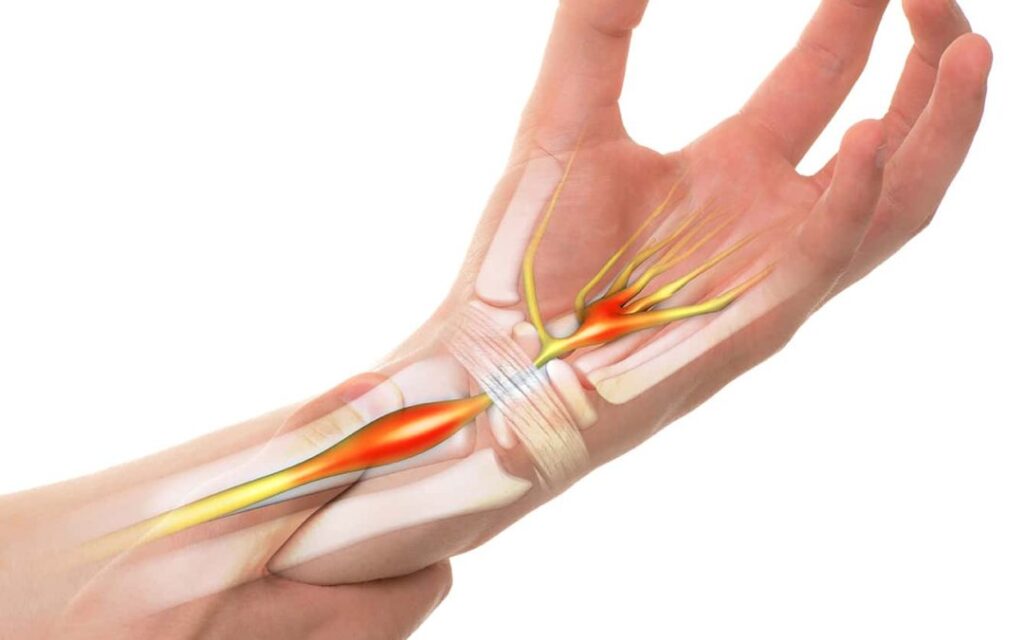
Muscles help you move. Nerves help you feel.
When a muscle is overworked, it tends to ache or feel sore. When a nerve is irritated or compressed, the sensation is different. People often describe it as tingling, numbness, burning, electric shocks, or a “dead” feeling.
That’s because nerves act like electrical cables. They carry signals from the brain, down the spine, and out to the arms and legs. If that signal is interrupted anywhere along the path, sensation changes. The brain still expects input but the message arriving is distorted or blocked.
That’s why numbness is such an important clue. It’s the body’s way of saying something is interfering with the nerve signal.
If It’s Not the Arm or Leg — It’s the Spine
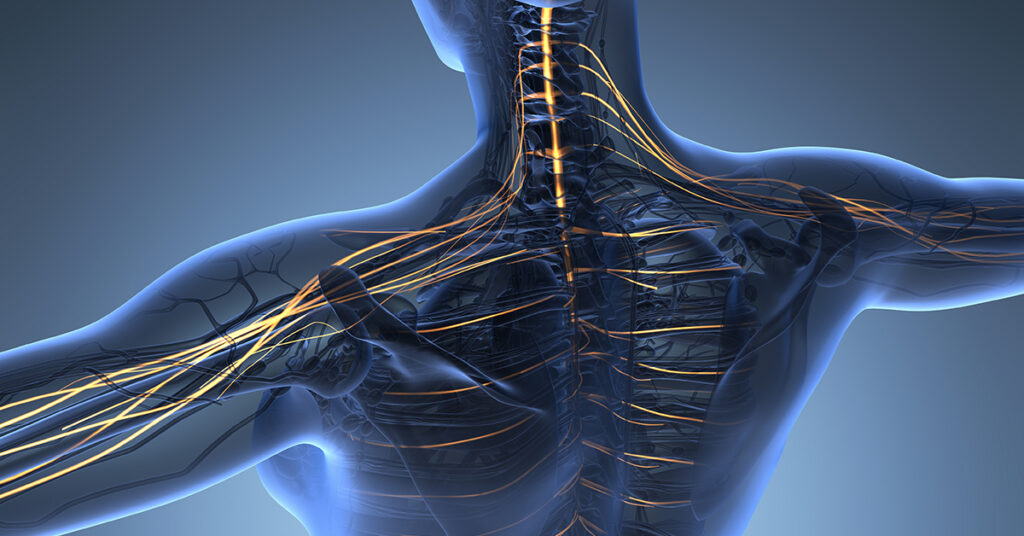
Here’s the part that surprises many people: the numb area is rarely the source of the problem.
Nerves supplying the arms exit from the cervical spine (neck). In particular, misalignment or compression around the C5 to C7 levels can cause numbness, tingling, or weakness in the shoulder, arm, or hand.
For the legs and feet, the nerves originate from the lumbar spine (lower back). Compression around L4–L5 or L5–S1 is commonly linked to numbness in the thigh, calf, foot, or toes.
These nerves travel a long distance. A problem at the spine can easily show up far away from where the issue actually is.
Common spinal causes include disc bulges or herniations, joint misalignment, inflammation around nerve roots, or reduced disc space that places pressure on the nerve. Even small changes in spinal alignment can be enough to disturb nerve function over time.
Why the Symptoms May Come and Go
One confusing aspect of nerve-related numbness is that it isn’t always constant.
Early on, nerve compression may only occur in certain positions: sitting too long, bending forward, lifting, or sleeping in a particular posture. When pressure eases, the symptoms fade. That’s why many people delay seeking help.
But nerves are sensitive. Repeated compression, even if mild, can make them more reactive. Over time, numbness may appear more often, last longer, or start spreading. What once felt like an occasional annoyance can slowly become a daily issue.
Why Massages or Painkillers Don’t Solve the Problem
When numbness appears in the arm or leg, the natural response is to treat that area. Most people use the same methods for their typical aches like massaging the shoulder, rubbing their calf, stretching their hand, wherever the numbness leads. Some even try taking pills and painkillers that usually work for their headaches.
These approaches may feel comforting, but they don’t fix the source if the nerve root is compressed at the spine.
Massage works on muscles and soft tissue. Painkillers reduce inflammation or block pain signals. Neither removes pressure on a nerve that’s being irritated at its exit point from the spine. In some cases, masking the symptoms can delay proper assessment while nerve irritation quietly worsens. That’s why numbness often returns and sometimes even stronger than before.
How Osso’s Spine-Focused Approach Identifies the Cause
At Osso Bone Care, the focus is on finding where the nerve interference is happening, not just where it’s felt.
Assessment begins with a full spine and pelvic X-ray, allowing practitioners to see spinal alignment, disc spacing, and areas where nerves may be under stress. This matters because symptoms alone don’t always tell the full story.
If misalignment is identified, targeted spinal adjustments using Osso Flexion Distraction® are used to gently restore movement and reduce pressure on affected nerve roots. When disc involvement is confirmed, 3D Spinal Decompression Therapy® may be introduced to help relieve disc pressure and support healing.
Progress isn’t guessed, it’s carefully monitored. Follow-up X-rays allow changes in alignment and spacing to be compared over time, ensuring care is guided by objective findings rather than symptoms alone.
When Numbness Becomes a Serious Warning Sign
If compression continues, numbness can progress beyond sensation changes. Weakness, loss of coordination, or reduced grip strength may appear. In the legs, it can affect balance or walking.
Long-standing nerve compression increases the risk of permanent nerve damage, where sensation does not fully return even after pressure is relieved. That’s why timing matters. Early intervention is usually simpler and more effective than waiting until symptoms become severe.
Treat Your Nerve Symptoms to Reduce Numbness at Osso Bone Care
When an arm or leg keeps going numb, the message is often coming from the spine. Listening early can prevent long-term problems later.
Instead of chasing symptoms in the limb, it’s worth asking a more important question: what’s happening at the source of the nerve? Understanding that answer can make all the difference — not just for relief today, but for protecting nerve health in the long run.