How to Prevent Scoliosis Back Pain from Becoming Worse
Living with scoliosis doesn’t automatically mean living with pain. But maybe your back discomfort is getting worse especially after sitting for long hours, standing unevenly, or skipping exercise.
Scoliosis back pain is one of the most common issues faced by adults with spinal curvature, but the good news is that it can be managed and even prevented from getting worse with the right approach.
In fact, many people don’t even know they have scoliosis when they’re young, because there’s little to no pain at first. But as the body ages, that spinal curve begins to place uneven stress on the muscles, joints, and nerves — and the discomfort often surfaces in adulthood.
Let’s look at why scoliosis causes pain, how it can worsen over time, and what you can do every day to keep your spine healthy and comfortable.
Scoliosis Pain Symptoms
What Does Scoliosis Back Pain Feel Like?
Scoliosis is a condition that affects how your muscles, joints, and nerves work together. People often describe scoliosis back pain as a dull, aching discomfort in the lower or middle back right where it curves. It may come with stiffness, a feeling of unevenness, or fatigue after standing for long periods.
In some cases, scoliosis pain symptoms include:
- Muscle tension or spasms on one side of the back
- Sharp pain when bending or twisting
- Uneven shoulder or hip pain
- Tingling or numbness if a nerve is compressed
The pain can vary from mild to severe depending on the degree of spinal curvature, posture habits, and how active you are. For some, it’s only noticeable after a busy day — for others, it’s a constant nagging ache that interferes with sleep and mood.
Why Scoliosis Pain Gets Worse Over Time

You might wonder, “Why is my scoliosis pain suddenly worse?” There are a few possible reasons.
As we age, muscles naturally lose flexibility and strength. For someone with scoliosis, this can make the uneven pull on your spine more pronounced, putting extra stress on joints, discs, and ligaments. Poor posture habits like slouching at a desk, leaning on one hip, or consistently carrying a bag on one shoulder increases this stress, accelerating discomfort.
Other contributing factors include:
Sedentary lifestyle
Prolonged sitting weakens the core and back muscles that stabilize your spine, making it harder to maintain proper alignment. Over time, this can lead to chronic pain and increased spinal curvature.
Muscle imbalance
The muscles on the concave side of the curve often tighten, while the convex side becomes weaker. This imbalance not only increases discomfort but can also make simple movements such as bending, twisting, or lifting, more difficult and painful.
Hormonal changes
Women may experience flare-ups of scoliosis pain during menstruation or menopause due to joint laxity, inflammation, and fluid retention, which can temporarily worsen spinal stress.
Age-related wear and tear
Degenerative scoliosis develops as spinal discs thin, joints stiffen, and vertebrae gradually shift. This can cause persistent pain, reduced mobility, and, in some cases, nerve compression.
Over time, this can cause additional spinal issues including the following.
- Disc herniation or bulging: Uneven pressure may cause discs to protrude or rupture, potentially leading to nerve irritation.
- Nerve compression: Worsening curvature can pinch spinal nerves, causing tingling, numbness, or shooting pain in the back, legs, or arms.
- Joint degeneration: Unequal load on spinal joints accelerates arthritis, stiffness, and chronic inflammation.
- Balance and posture issues: Increased curvature may affect gait, making falls more likely and complicating daily activities.
Best Habits to Prevent Scoliosis Back Pain
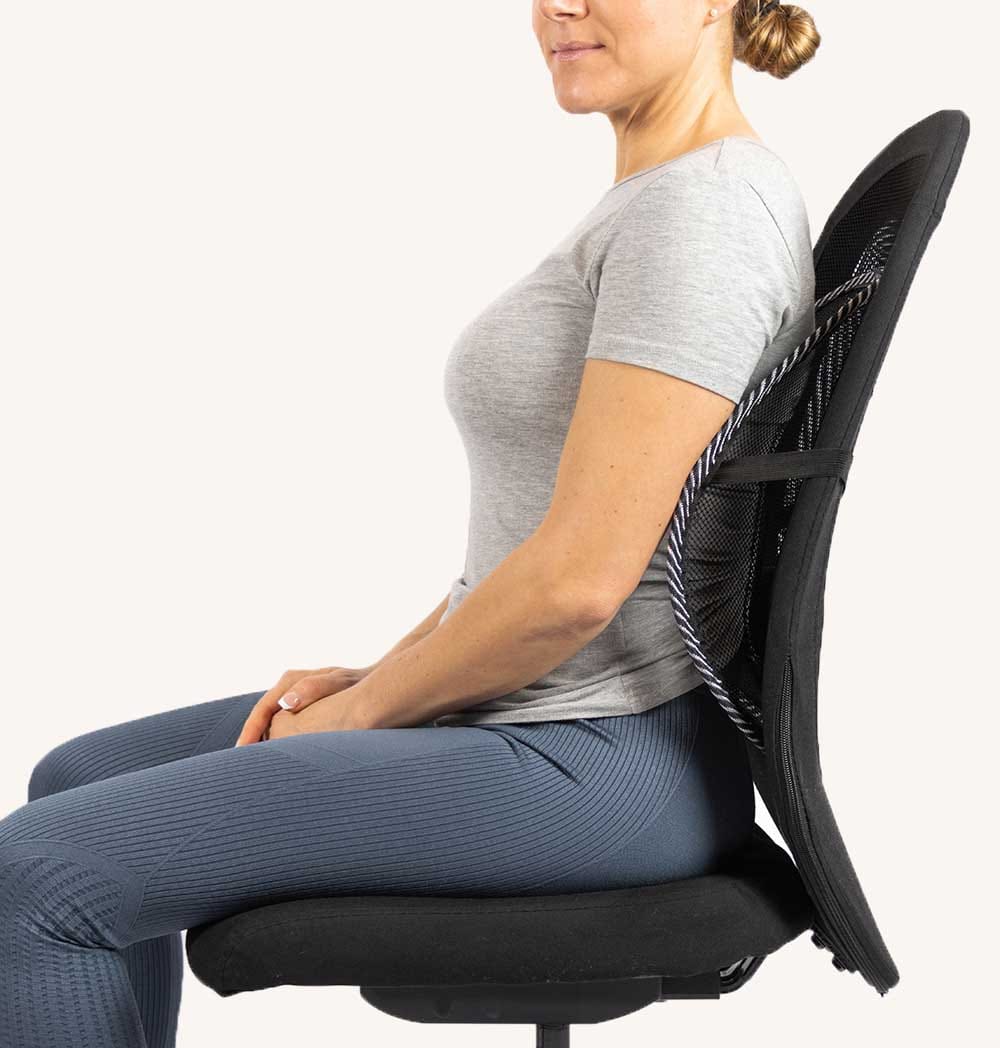
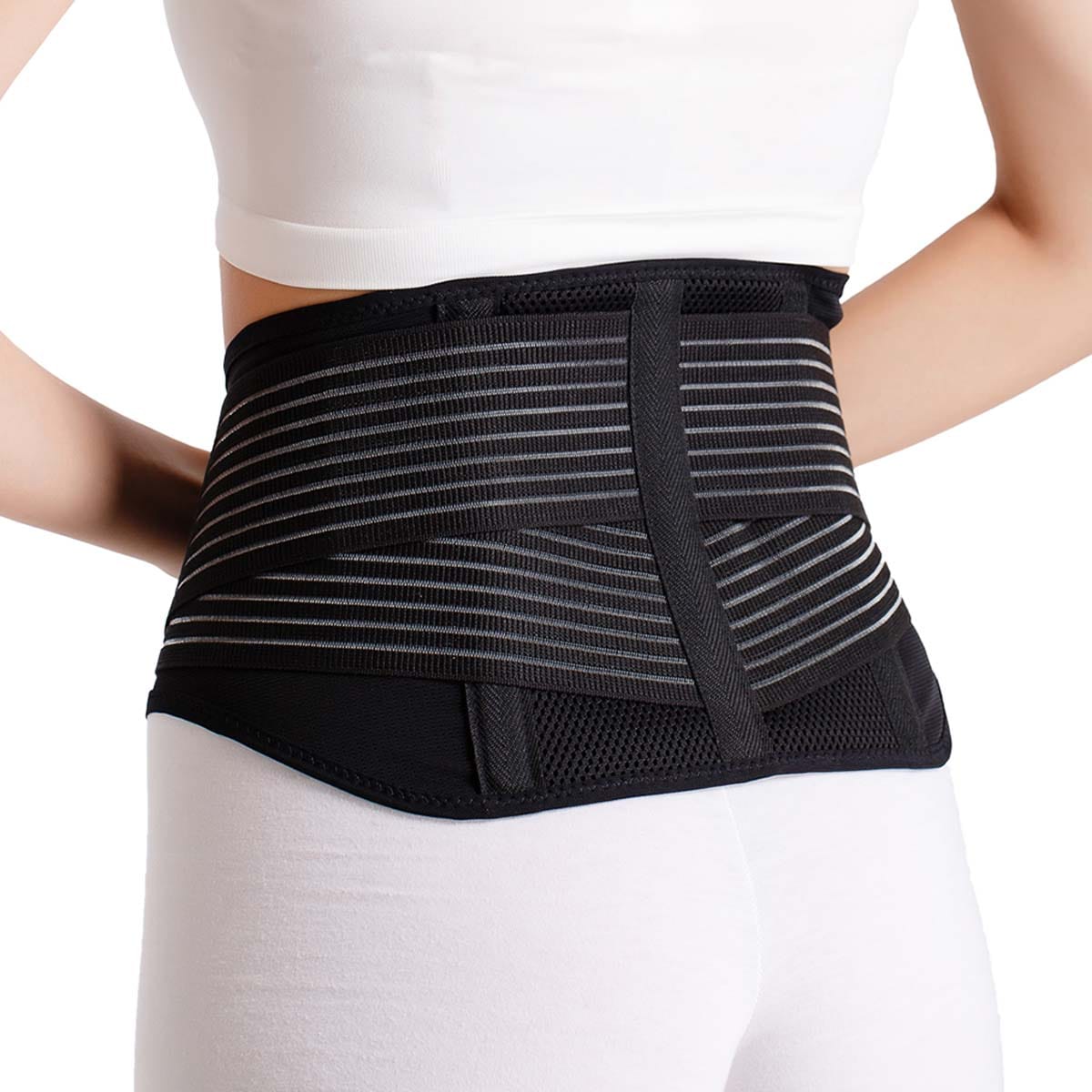
Preventing scoliosis back pain is about small, consistent choices that make your spine stronger and more balanced.
Staying Active
Start with movement. Low-impact exercises such as walking, swimming, or yoga can help keep your muscles flexible and your joints mobile without adding pressure to your spine.
Everyday Posture
Posture matters too. Try setting reminders to adjust your sitting position, switch sides when carrying a bag, or use an ergonomic chair with lumbar support. If you work long hours at a desk, take a short stretch break every 30 minutes.
Strengthen Core Muscles
And don’t forget your core muscles. They act as the natural brace for your spine. Gentle core exercises like planks, bridges, or pelvic tilts can improve balance and reduce pressure on your back.
Even small changes add up. Think of it as investing in your long-term comfort.
Chiropractic Care as Preventative Treatment and Scoliosis Pain Relief
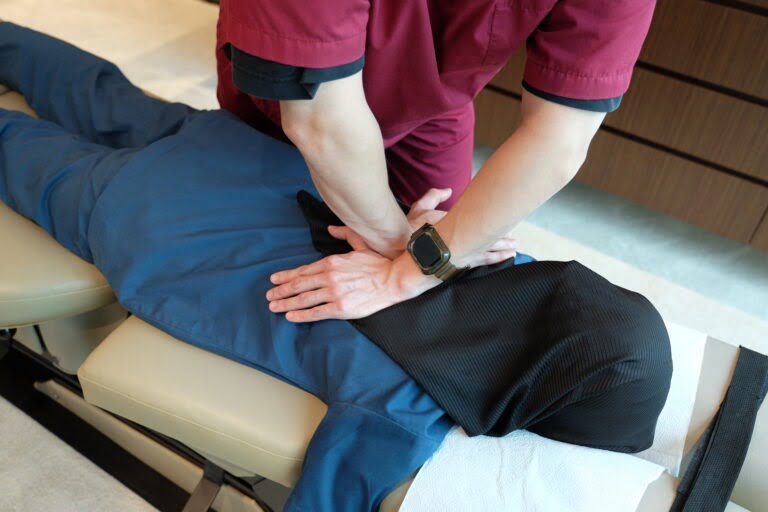
For many people, chiropractic care can play a key role in preventing scoliosis pain from worsening while also alleviating discomfort. By improving spinal mobility, reducing stiffness, and promoting better alignment, chiropractic adjustments help the body move more efficiently and reduce the strain on muscles and joints caused by uneven curvature.
Preventative Benefits of Chiropractic Adjustments
One of the biggest advantages of chiropractic care is its preventative potential. Gentle, controlled adjustments help maintain proper spinal balance, especially in areas that are overworked or tense due to the curve. When performed regularly, these adjustments can:
- Reduce uneven pressure on spinal discs and joints.
- Promote better posture and spinal mechanics during daily activities.
- Minimize muscle imbalances that develop over time.
- Decrease the risk of secondary issues, like nerve compression or joint degeneration.
For individuals with mild or moderate scoliosis, early and consistent chiropractic care may slow progression and help them stay active with less discomfort.
Many patients notice improvements after just a few sessions. Simple gains like increased flexibility, reduced back tension, and improved posture can have a ripple effect on overall quality of life. When incorporated into a comprehensive plan including stretching, core exercises, postural training, and lifestyle modifications, chiropractic care supports long-term spine health and may help reduce the risk of worsening scoliosis pain.
Protecting Your Spine for the Long Term with Osso Bone Care
Standing job back pain doesn’t have to be “part of the job.” Your spine deserves care, just like any other part of your body. With the right habits, support, and early treatment, you can stay comfortable and pain-free even in physically demanding work environments.
So the next time your lower back starts to ache after a long shift, don’t just tough it out. Give your spine the support it needs — whether through smarter posture, chiropractic care, or a reliable back brace.
If you spend your day on your feet, take care of your spine before pain takes over. Visit Osso Bone Care Chiropractic in Kuala Lumpur for a professional spinal assessment or try our Osso L5 Lumbar Support today.