
What Does That “Pop” Sound in Your Back Really Mean?
You’re lifting a box. Twisting to grab something behind you. Or bending down to tie your shoes. Then you hear a sudden “pop” in your back.
Sometimes there’s no pain at all. Other times, the pop is followed by stiffness, a sharp ache, or an uneasy feeling that something isn’t quite right. So what is your body actually telling you? Is it harmless, or is it a warning you shouldn’t ignore?
The Science Behind the “Pop” Sound
The most common cause is gas release inside the joint. Your spinal joints are surrounded by fluid-filled capsules. When pressure changes — such as during a stretch, twist, or sudden movement — tiny gas bubbles can form and release, creating a popping sound. It’s the same reason people hear a crack when they crack their knuckles.
But that’s not the only explanation.
Sometimes, the sound comes from changes in pressure within spinal discs or facet joints, especially if the spine is under repeated stress from long hours of sitting, poor posture, or uneven movement patterns. Tight joints may suddenly shift when they’re forced to move beyond their usual range.
When a Back “Pop” Becomes a Warning Sign
The concern about a back “pop” starts when the sound is paired with symptoms or happens under certain conditions. Pay closer attention if the pop is followed by:
- Pain that doesn’t fade
Stiffness or reduced movement - Numbness or tingling in the arms or legs
- Weakness in a limb
- Repeated popping in the same spot
- A pop that occurs while lifting something heavy
These signs suggest the spine may not be moving as smoothly or safely as it should.
What Could Be Causing the Pain After a Pop?
When symptoms appear, the pop may be linked to an underlying structural issue rather than a harmless joint release.
A slipped or bulging disc can occur when excessive pressure causes the disc to shift, sometimes producing a pop followed by nerve irritation. Ligament strain may happen when supportive tissues are overstretched during sudden movement. Facet joint dysfunction can develop when spinal joints become restricted or misaligned, leading to repeated cracking and stiffness. In some cases, pelvic misalignment changes how forces travel through the spine, increasing strain on specific areas.
These problems often don’t resolve on their own, especially if daily habits continue to overload the same structures.
What Does the “Pop” Mean During Chiropractic Cracking?
So what about the pop when you’re at a chiropractic session?
For some people, hearing the pop is reassuring, since the chiropractor is performing the adjustment safely compared to cracking themselves. For others, it can be surprising or even a little unsettling.
In most cases, the reason is the same: it’s caused by a rapid release of gas within the joint. When a chiropractor applies a precise and gentle force to a restricted spinal joint, it briefly changes the pressure inside the joint capsule. This allows gas bubbles in the joint fluid to form and collapse, creating the familiar cracking sound. It’s a totally normal physical response.
What matters most is how the pop happens. Chiropractic adjustments are designed to restore movement to joints that have become stiff or misaligned. When a joint that hasn’t been moving properly suddenly regains motion, the release can produce sound. That’s why the pop often happens alongside a feeling of relief, looseness, or improved range of motion.
It’s also worth noting that the sound itself is not the goal of chiropractic care. Some effective adjustments produce no noise at all, while others do. The success of the treatment depends on improved joint movement, reduced tension, and better spinal alignment, and not whether you hear a crack.
Why Chiropractic X-Ray Is a Smarter First Step
Here’s where many people go wrong. They treat the sound or the pain without understanding why it happened.
At Osso Bone Care, the approach is simple: don’t guess — assess.
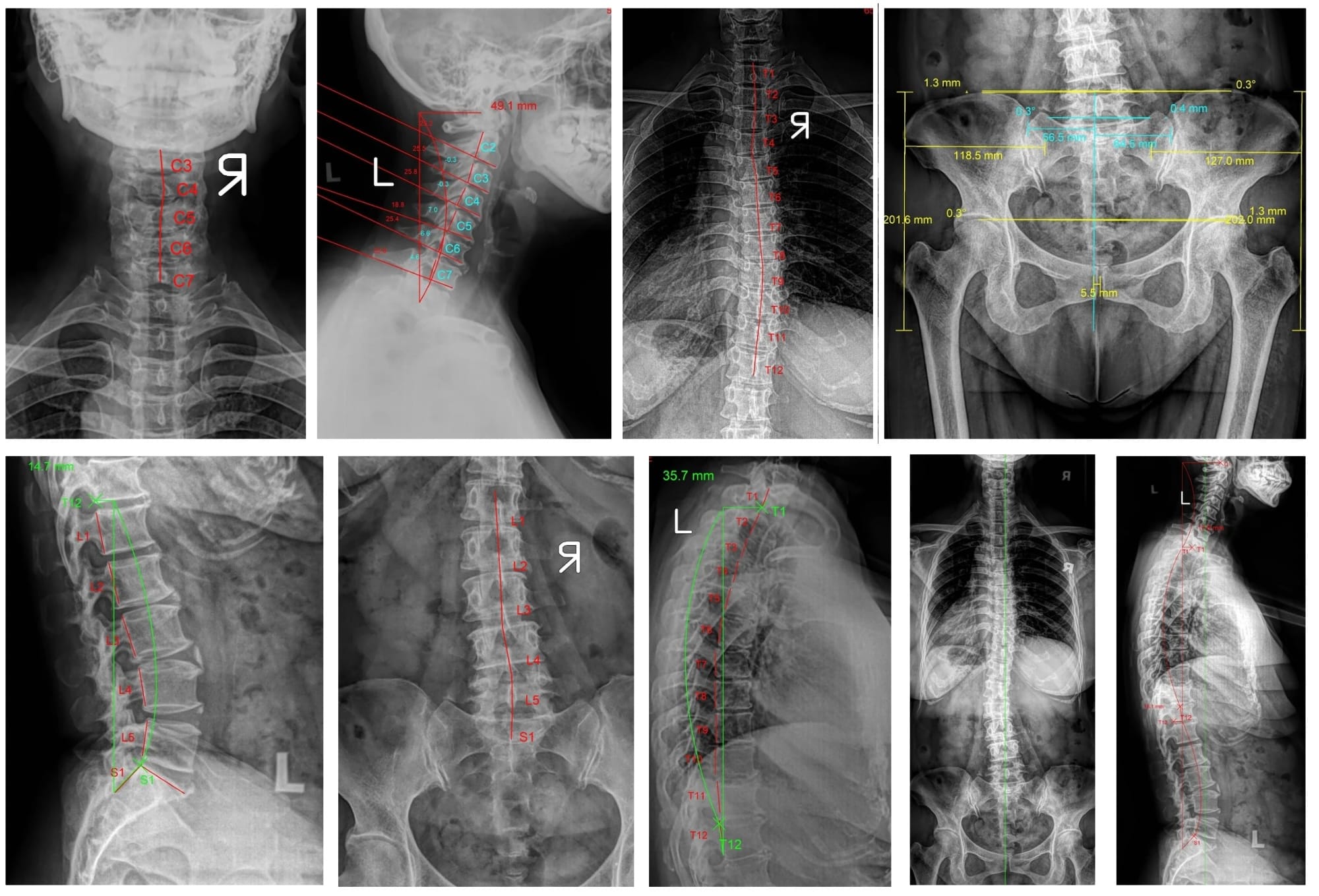
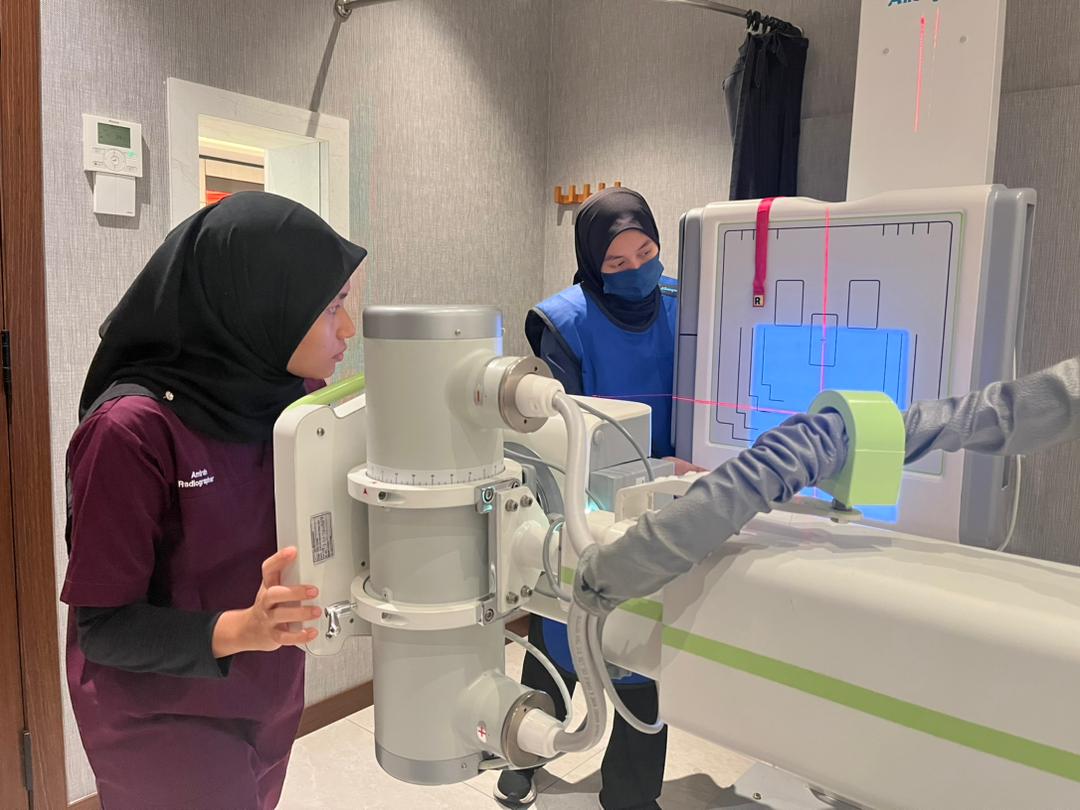
A chiropractic X-ray allows practitioners to see spinal alignment, joint spacing, disc positioning, and pelvic balance. What feels like a small issue on the surface may reveal uneven loading or early disc stress underneath. Without proper imaging, treatment often focuses on temporary relief, such as massage or pain medication, while the root cause continues to progress.
Seeing the structure first allows care to be precise, targeted, and safer.
What to Do If You Hear a Pop and Feel Pain
If a pop is followed by mild soreness that fades quickly, rest and observation may be enough. But if pain lingers, spreads, or returns repeatedly, it’s time to look deeper.
Ignoring these signals can allow small imbalances to become chronic problems. Early assessment often means simpler care and better long-term outcomes.
Protect Your Spine Today at Osso Bone Care
Not every pop is dangerous. Many are harmless and temporary. But when a popping sound is followed by pain, stiffness, or nerve-related symptoms, your body may be sending a clear message.
If something doesn’t feel right, don’t leave it to guesswork. Understanding what’s happening beneath the surface is often the first step toward lasting relief and a healthier spine overall.